Why Customer Feedback Software Matters for Your Business
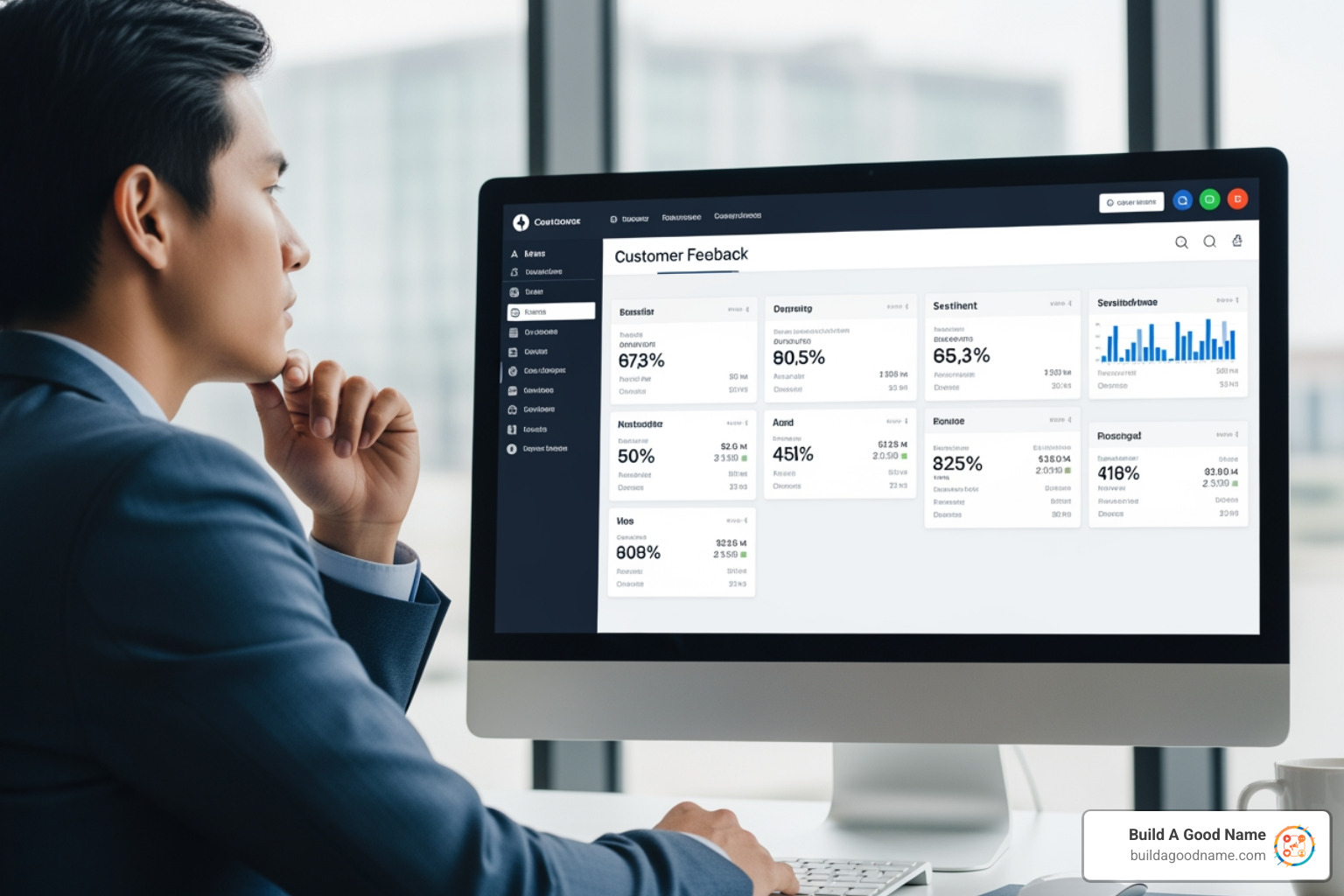
Customer feedback software is a platform designed to collect, organize, and analyze what your customers think about your business. Instead of drowning in scattered emails and spreadsheets, these tools provide a central hub to capture feedback and turn it into action.
Quick Answer: What Customer Feedback Software Does
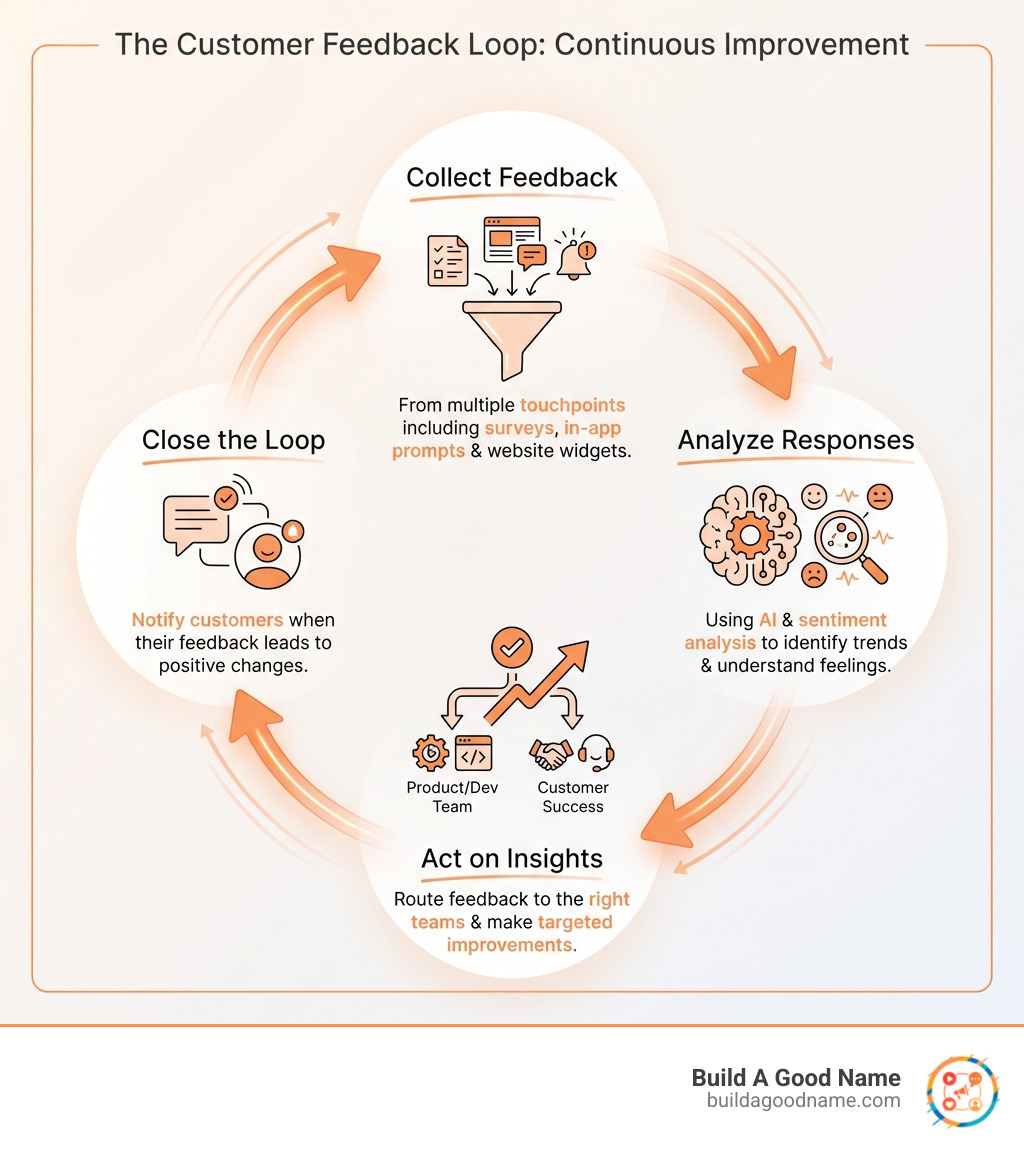
- Collects feedback through surveys, website widgets, in-app prompts, or feedback portals
- Organizes responses so you can spot patterns and prioritize what matters most
- Analyzes sentiment to understand how customers really feel (often using AI)
- Automates follow-ups to close the loop with customers who take time to respond
- Integrates with your existing tools like your CRM, help desk, or project management software
When you ignore feedback or make customers repeat themselves, you are making their experience harder and increasing the chance they look elsewhere. Even a single poor interaction can be enough to push someone to a competitor.
Customer feedback software helps you avoid that costly mistake. It surfaces what is working, what is broken, and what customers want next so you can make smarter decisions about your products, services, and customer experience.
But not all feedback tools are built the same way. Some focus on surveys and satisfaction scores, while others specialize in visual bug reports or feature voting.
This guide breaks down the main approaches to customer feedback software, explains how to choose the right fit for your business, and shows you what benefits you open up when you start listening and acting on what customers tell you.
Customer feedback software helpful reading:
What Are the Main Approaches to Customer Feedback Software?
Imagine trying to understand your customers with a single pair of glasses. You might see some things clearly, but miss a whole lot more. That is why there is not a one-size-fits-all solution when it comes to customer feedback software. Different tools offer different lenses, each designed to capture specific types of insights. The key is to match the solution to your business needs and the kind of feedback you are hoping to gather.
Let us explore the main approaches and what makes them unique.
Survey & Feedback Collection Features
This is perhaps the most traditional form of customer feedback software. These tools specialize in creating, distributing, and analyzing surveys to measure specific aspects of the customer experience.
- Focus: Measuring satisfaction, loyalty, and effort. They aim to gather quantitative data that can be tracked over time.
- Key Metrics:
- Net Promoter Score (NPS): Asks customers how likely they are to recommend your business, product, or service to others.
- Customer Satisfaction Score (CSAT): Measures immediate satisfaction with a specific interaction or product.
- Customer Effort Score (CES): Assesses how much effort a customer had to exert to resolve an issue or complete a task.
- Best For: Marketing teams, customer experience (CX) teams, and anyone looking to track key performance indicators related to customer sentiment.
Modern survey tools often ask questions in real time and in context, making the feedback more valuable than traditional email surveys. The best platforms focus on making it fast and easy to gather actionable feedback for these key metrics.
Visual & Contextual Feedback Capabilities
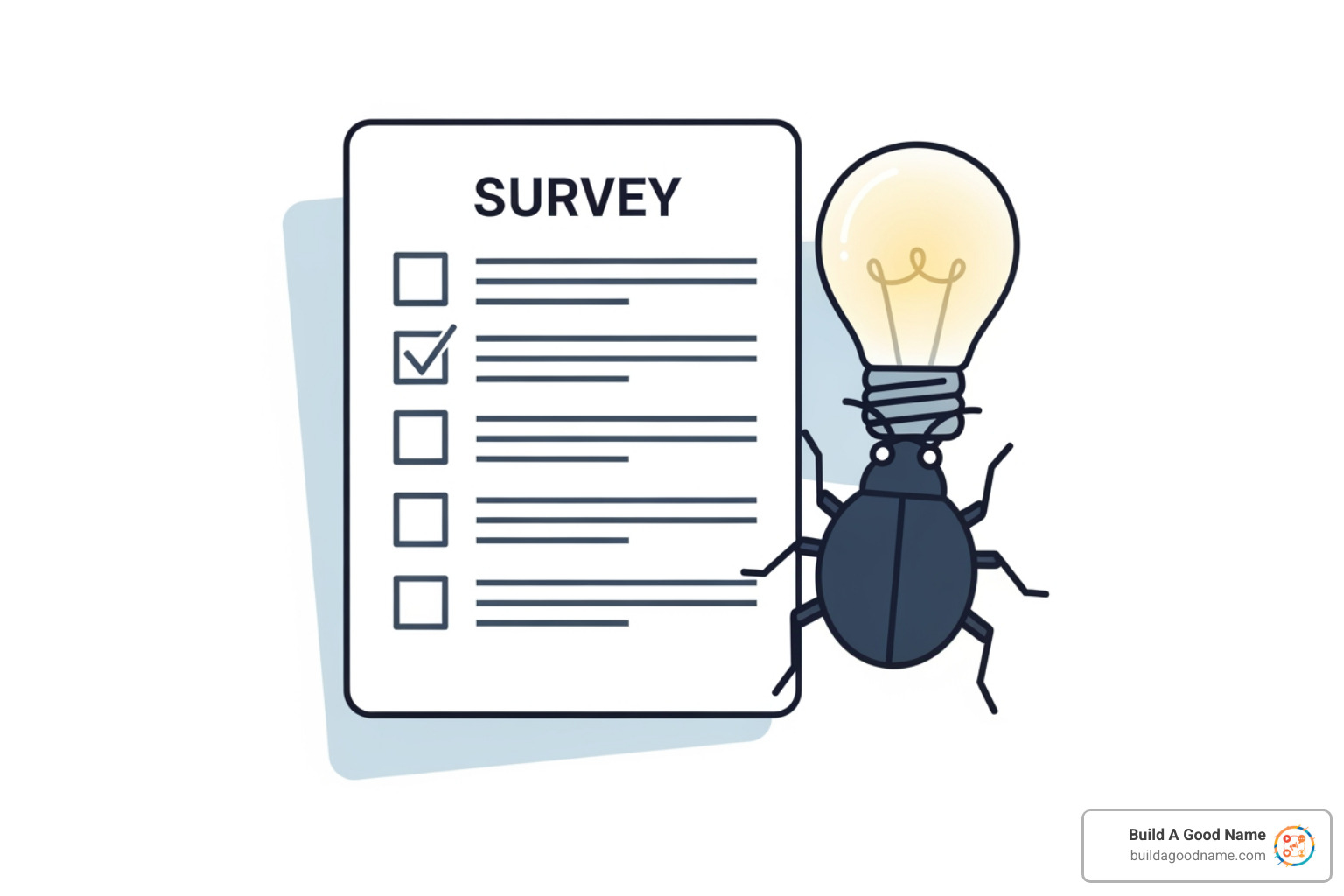
Sometimes, words are not enough. When a customer encounters a bug on your website or has an idea for a new feature, a screenshot or a video can speak volumes. This type of customer feedback software helps users provide feedback directly on the interface they are interacting with.
- Focus: Capturing highly contextual feedback, often related to user experience, bugs, or design issues.
- Key Features:
- Annotated Screenshots: Customers can highlight specific elements on a webpage or app screen and add comments.
- Session Replays: Records user sessions, allowing teams to see exactly how a user steerd, where they clicked, and what issues they encountered.
- Video Recording: Users can record their screen and voice to explain their feedback in detail.
- Bug Reporting: Streamlined processes for users to report technical issues with visual evidence.
- Best For: Product development teams, Quality Assurance teams, web designers, and anyone involved in improving the functionality and usability of websites and applications.
By combining user analytics with visual feedback, these platforms offer a clear view of user behavior and make it easier to see exactly what users are talking about.
Idea Management & Roadmap Transparency
Customers often have strong opinions about how you can improve your products or services. This category of customer feedback software provides a structured way to collect, organize, and act on these suggestions.
- Focus: Gathering feature requests, product ideas, and general suggestions, then managing them through a transparent process that can guide product roadmapping.
- Key Features:
- Idea Boards: Centralized places where customers can submit and browse ideas.
- Voting Systems: Allow customers to vote on ideas, helping businesses gauge demand.
- Prioritization Tools: Help product managers evaluate ideas based on impact, effort, and strategic alignment.
- Public Roadmaps: Communicate which ideas are being considered, planned, or are in development.
- Announcements or Changelogs: Keep customers informed about new features and updates.
- Best For: SaaS companies, product-led businesses, and any organization that wants to involve users in the development process.
These platforms are designed to help teams capture, organize, and announce product feedback in one place. For more information about managing feedback, see Manage Customer Feedback Best Practices.
Unified Customer Experience Management
As businesses grow, so does the complexity of their customer interactions. Unified customer experience management platforms aim to bring together various feedback channels and data points into a single, cohesive system.
- Focus: Providing a holistic view of the customer experience by integrating feedback from multiple sources such as surveys, support interactions, digital behavior, and social media.
- Key Features:
- Multi-channel Collection: Gathers feedback from surveys, in-app prompts, website widgets, email, social media, and more.
- Data Centralization: Consolidates customer data and feedback into unified profiles.
- Advanced Analytics: Often includes AI-powered sentiment analysis, trend detection, and predictive insights across all data.
- Workflow Automation: Automates actions based on feedback, such as routing issues to support or triggering outreach.
- Integration Ecosystem: Connects with a wide range of other business tools like CRMs, help desks, and marketing automation platforms.
- Best For: Growing businesses, enterprises, and organizations with complex customer journeys that require a comprehensive understanding of every touchpoint.
These platforms combine surveys, digital experience analytics, and real-time feedback, often leveraging AI to connect the dots and provide predictive intelligence for more integrated customer communication and support.
How to Choose the Right Customer Feedback Software for Your Business
Choosing the right customer feedback software can feel like picking the perfect tool for a very specific job. The best software is not about the most features, but the best fit for your business and workflow. Use this step-by-step approach to make an informed decision.
Step 1: Define Your Goals and Key Use Cases
Before you start looking at different customer feedback software solutions, you need to understand why you need one. What specific problems are you trying to solve?
Are you aiming to:
- Improve customer satisfaction? Perhaps you are getting complaints about slow service or confusing product instructions.
- Reduce customer churn? You might be seeing customers leave after a certain period and want to understand why.
- Prioritize new features for your product? Maybe your customers are constantly asking for specific functionalities.
- Improve your online reputation? For a local business, online reviews are important.
Your goals will guide which type of customer feedback software is best. For example, if your main goal is to improve online reviews and showcase positive feedback, a review management platform may be more effective than a complex survey tool. If you are a software company, gathering bug reports and feature requests might be higher on your list.
Step 2: Evaluate Core Features of Customer Feedback Software
Once your goals are clear, focus on the must-have features. The best customer feedback software is not just about collecting data; it is about making that data actionable.
Key capabilities to look for include:
- Multi-channel Collection: Can the software collect feedback from various sources such as website widgets, in-app surveys, email, SMS, social media, and dedicated feedback portals?
- Analytics and Reporting:
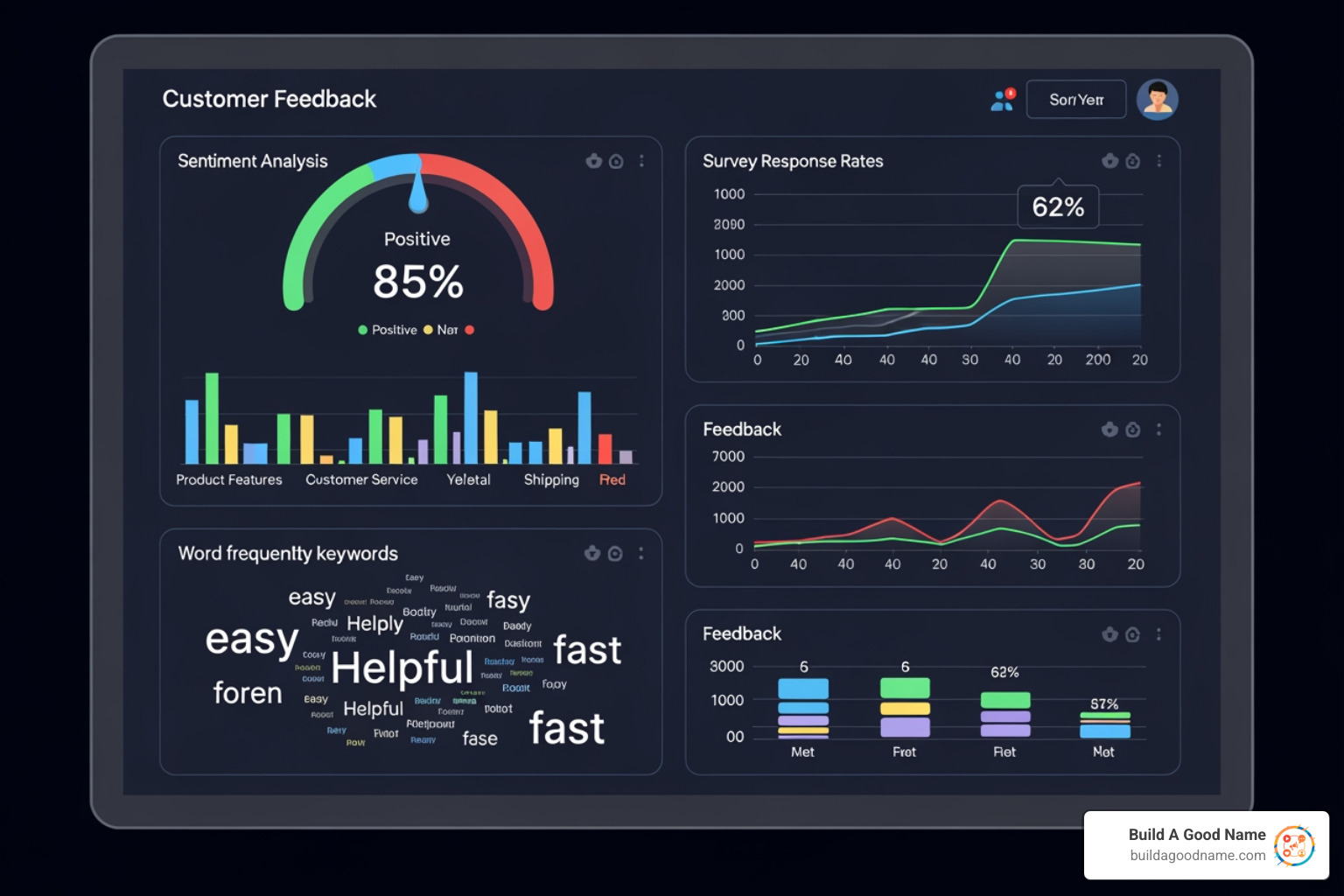
- Sentiment Analysis: Many tools use AI to understand the emotional tone behind open-ended feedback.
- Trend Analysis: The ability to track changes in NPS, CSAT, or specific feedback themes over time.
- Customizable Dashboards: Visual representations of your data to support quick understanding.
- Automation:
- Automated survey distribution after specific customer interactions.
- Automated alerts for negative feedback, routing it to the relevant team for follow-up.
- Automated thank-you messages to customers who provide feedback.
- Ease of Use: Look for an intuitive interface, drag-and-drop builders for surveys, and quick setup processes.
- Customization: The option to brand your surveys and feedback widgets to match your company look and feel.
- Integrations: Your customer feedback software should connect with your other tools, such as:
- CRM: To link feedback directly to customer profiles.
- Help Desk or Customer Support: To turn feedback into support tickets.
- Project Management: To route feature requests or bug reports directly to development teams.
- Analytics Platforms: To combine behavioral data with attitudinal data.
For more in-depth insights into building a robust feedback system, explore Customer Feedback System.
Step 3: Compare Pricing Models and Scalability
Budget is always a consideration, and customer feedback software comes with a variety of pricing structures. Look at long-term value and whether the solution can grow with your business.
Common pricing models include:
- Freemium: A free tier with limited features or response volumes.
- Per-User or Per-Agent: Pricing based on the number of team members using the software.
- Tiered Based on Volume: Pricing that increases with survey responses, pageviews, or as more features are open uped.
- Custom or Enterprise: For organizations with complex needs, many providers offer custom pricing.
When evaluating pricing, look beyond the monthly fee. Check whether there are limits on surveys, users, integrations, or data retention that might incur extra costs.
Scalability questions to ask:
- Can it handle increased volumes of feedback as your customer base expands?
- Does it offer advanced features and integrations you might need later?
- Is the platform stable and reliable under heavier usage?
- Will it support multiple teams or departments as your organization becomes more complex?
Choosing a solution that can scale with you prevents the headache of having to switch platforms later. For insights into how automated systems can support growth, see Automated Feedback System.
The Ultimate Payoff: Benefits of Acting on Customer Feedback
So, you have invested in the right customer feedback software. The real reward is not just about collecting data; it is about the impact that acting on that data can have on your products, your customers, and your bottom line.
Benefit 1: Improved Product Development
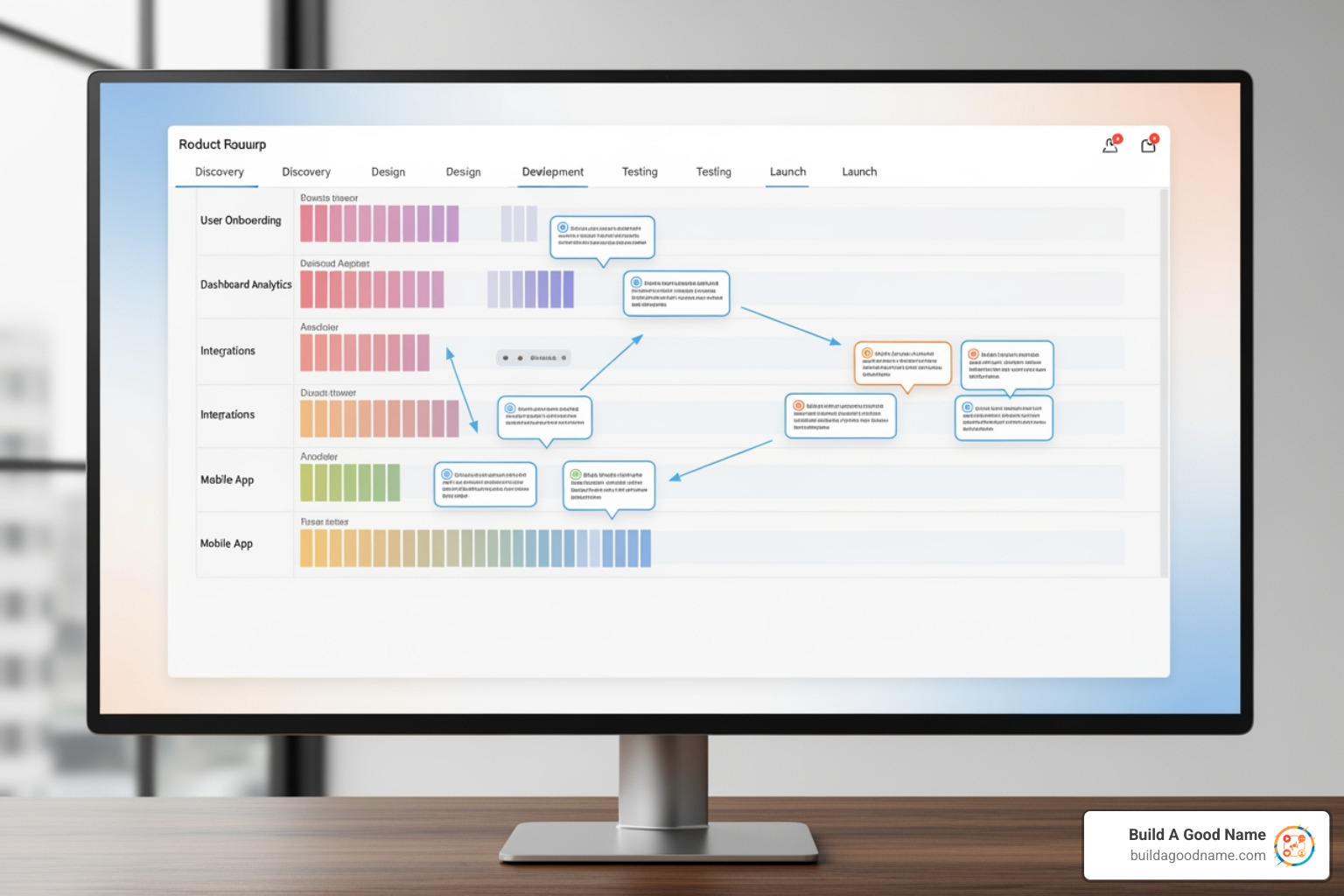
Customer feedback software provides data-driven insights that steer your development efforts.
- Data-driven Decisions: Instead of guessing what customers need, you have concrete data. You can prioritize features based on clear benefit and cost, ensuring you are working on what matters most.
- Faster Innovation: Collecting in-app feedback alongside product usage data gives product teams a clearer picture of what to improve, so you can focus on high-impact changes.
Benefit 2: Increased Customer Satisfaction and Loyalty
Customer feedback is about making your customers feel valued and heard.
- Closing the Feedback Loop: This means not just collecting feedback, but acknowledging it, acting on it, and then informing the customer about the changes made.
- Making Customers Feel Heard: When customers see their suggestions implemented or issues resolved quickly, satisfaction rises and relationships strengthen.
Benefit 3: Reduced Churn
Customer feedback software can act as an early warning system, helping you identify and address issues before customers decide to leave.
- Identifying At-Risk Customers: By monitoring metrics like NPS and CSAT or analyzing sentiment from open-ended feedback, you can spot dissatisfaction early.
- Resolving Issues Faster: With automation features, critical feedback can be routed to the right team, allowing for rapid intervention.
Emerging Trends
The world of customer feedback software continues to evolve.
- AI-powered Sentiment Analysis: Modern tools use AI to categorize themes from open-ended responses, quantify emotions, and help you understand customer sentiment at scale.
- Predictive Insights: Advanced platforms are moving toward using AI to anticipate future customer behavior so that you can be more proactive in addressing potential issues.
To keep a close eye on all your customer insights in one place, consider implementing a Customer Review Dashboard.
Frequently Asked Questions
We often hear similar questions from businesses looking to optimize their customer feedback software strategy. Here are answers to some of the most common ones.
How can I increase response rates for my feedback surveys?
Getting customers to take the time to provide feedback can be a challenge, but there are effective approaches you can use:
- Keep Surveys Short: Aim for concise questions that get straight to the point. Research shows that shorter surveys have higher completion rates.
- Personalize Requests: Address customers by name and reference a specific interaction they have had with your business.
- Time Requests After Key Interactions: Send feedback requests immediately after a meaningful interaction, such as a purchase or a support call, when the experience is fresh in their mind.
- Use Multi-Channel Outreach: Do not rely on email alone. Distribute surveys via text, in-app prompts, website widgets, or social media messaging.
- Explain How Their Input Will Be Used: Let customers know that their feedback is valuable and will directly lead to improvements.
What are the biggest pitfalls to avoid when implementing customer feedback software?
There are several common missteps that can undermine the effectiveness of customer feedback software:
- Collecting Data Without a Plan to Act: If customers repeatedly provide feedback and see no changes, they are less likely to respond in the future.
- Over-Surveying Customers: Sending too many requests leads to survey fatigue.
- Using Only One Feedback Channel: Relying solely on one channel gives you a limited view.
- Not Closing the Loop With Users: Informing customers that their feedback was received and what action was taken is essential for building trust.
- Failing to Involve Key Internal Teams: Feedback should reach product, marketing, sales, and operations, not just the CX team.
- Ignoring the Why Behind the What: Do not just look at scores. Dig into open-ended comments and use sentiment analysis to understand why customers feel the way they do.
For a comprehensive approach, explore best practices for Customer Feedback Management.
How does this software help in identifying customer trends over time?
One of the most valuable aspects of customer feedback software is its ability to reveal patterns and changes in customer sentiment over time.
- Trend Analysis: Most platforms include analytics to track key metrics such as NPS, CSAT, or CES scores over weeks, months, or years.
- Dashboards and Reporting: Customizable dashboards allow you to visualize data and filter results by date, customer segment, or product line.
- Theme Detection: Advanced customer feedback software uses AI to identify recurring themes and topics within open-ended feedback.
- Comparative Analysis: You can compare feedback from different periods or after specific changes, such as a new product launch or a website redesign.
By monitoring these trends, you can make informed, strategic decisions that keep your business aligned with customer expectations.
Conclusion: The Real Winner is Your Customer
In this guide, we have explored the diverse landscape of customer feedback software, from specialized survey tools to comprehensive customer experience platforms. We have seen how different approaches cater to various business needs, whether you are focused on boosting your online reputation or aiming for a closer product-customer fit.
We also walked through the critical steps of choosing the right solution, emphasizing the importance of defining your goals, evaluating core features such as analytics and integrations, and considering pricing and scalability.
The ultimate payoff is clear: improved product development, stronger customer satisfaction and loyalty, and a reduction in churn. New advances in AI and predictive insights make customer feedback tools even more capable of helping you act quickly and intelligently on what customers are saying.
The best software is the one that aligns with your specific goals, fits naturally into your workflow, and helps your team not just collect feedback, but act on it in a meaningful way. When you invest in understanding customer needs, addressing their pain points, and responding thoughtfully, you build durable relationships.
For local businesses focused on building trust and a stellar online presence, managing online reviews is a critical part of this feedback process. At BuildAGoodName, we offer a specialized solution to help local businesses collect, manage, and showcase customer reviews, turning every piece of feedback into an opportunity to shine.
Ready to transform how you listen and respond to your customers?
Start Mastering Your Business Reputation Today