

Why Negative Feedback Management Matters More Than You Think
Negative feedback management is the process of effectively delivering, receiving, and acting on critical input to drive improvement and growth. Whether you’re a manager giving performance reviews or a business owner handling customer complaints, how you manage negative feedback directly impacts your team’s morale, your customer relationships, and your bottom line.
Here’s how to handle negative feedback effectively:
- Deliver it privately – Choose face-to-face conversations in a safe, confidential setting
- Focus on behavior, not personality – Discuss specific actions and their impact, never make it personal
- Listen actively – Allow the recipient to explain their perspective and show genuine empathy
- Create an action plan – Work together on concrete steps for improvement
- Follow up regularly – Schedule check-ins to track progress and provide ongoing support
Let’s be honest: most of us dread giving or receiving negative feedback. One leader described opening a 360-degree feedback evaluation from her corporate days and seeing “two color-coded pie charts” that left her feeling shame and shock. Sound familiar?
Here’s the thing – feedback is fundamentally a good thing. Research shows that leaders who actively seek critical feedback are rated as more effective by their superiors, employees, and peers. Meanwhile, leaders who only want positive feedback? They’re consistently rated lower in effectiveness.
The problem isn’t feedback itself. It’s how we manage it.
For managers, negative feedback is a tool for shaping behaviors and building stronger teams. For employees, it’s an opportunity for development and career growth. And for business owners? Customer complaints are goldmines of insight – if you know how to use them.
But there’s a catch. Studies reveal that feedback affects recipients’ emotions, and those emotional reactions directly influence counterproductive behavior, turnover intentions, and commitment to the organization. Deliver it poorly, and you’ll damage relationships, kill motivation, and watch your best people walk out the door.
The good news? Negative feedback management is a learnable skill. You can transform difficult conversations from dreaded confrontations into powerful catalysts for improvement.
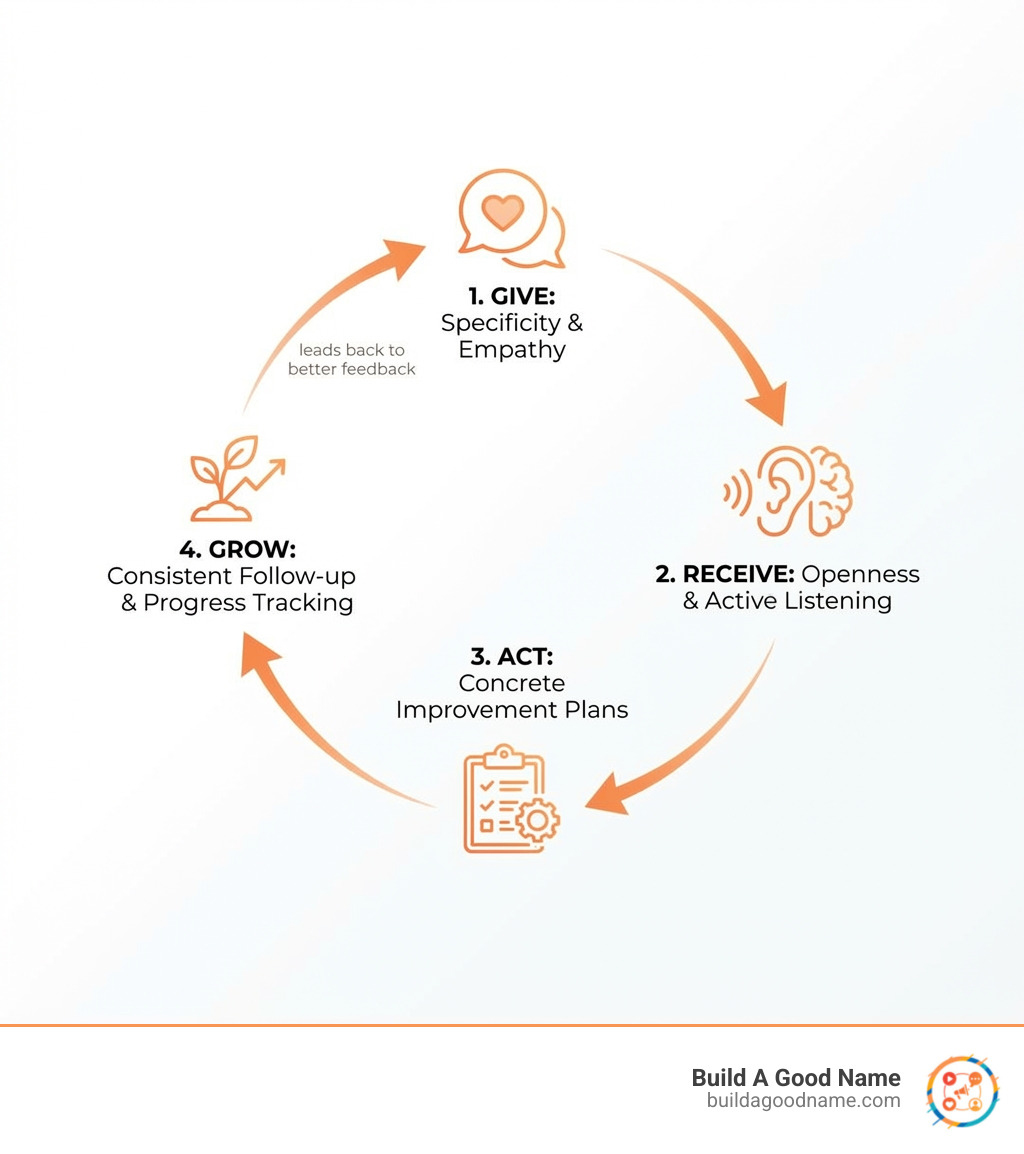
Why Negative Feedback is a Gift for Growth
We often shy away from negative feedback, associating it with criticism and discomfort. However, when approached correctly, negative feedback is truly a gift – a powerful driver for performance and leadership effectiveness. It provides crucial insights that positive feedback alone cannot. Leaders who actively solicit critical feedback are perceived as more effective by their superiors, employees, and peers, while those who primarily seek positive reinforcement are rated lower. This isn’t just theory; studies show that employees actually prefer receiving negative feedback from their managers because it helps them identify areas for improvement and growth.
Psychologist Carol Dweck’s concept of a growth mindset, the belief that talents can be developed through hard work, good strategies, and input from others, is particularly relevant here. Embracing this mindset allows us to view challenges and feedback not as failures, but as opportunities for learning and development. This perspective is vital for both those giving and receiving feedback. By actively seeking and thoughtfully processing negative feedback, we open doors to continuous improvement and foster a culture of learning within our organizations.
For local businesses in Lake Elsinore and beyond, mastering negative feedback management is key to not only employee development but also to improving your online presence. Just as internal feedback drives team growth, external feedback, even negative reviews, can dramatically Improve Online Reviews and overall reputation.
The Benefits for the Giver (Managers & Leaders)
For managers and leaders, giving negative feedback is not about finding fault, but about building stronger, more capable teams. It’s an important tool for shaping behaviors and fostering learning that will drive better performance. Think of it as a coach guiding an athlete: pointing out weaknesses isn’t to discourage them, but to help them refine their technique and excel.
Constructive criticism is integral to building a strong team. When we provide clear, actionable feedback, we’re creating an opportunity to erase tension and work better together, rather than allowing issues to fester. This proactive approach to communication is a cornerstone of effective leadership effectiveness and helps cultivate an environment where everyone feels invested in collective success. It’s about empowering our team members to reach their full potential, which ultimately benefits the entire organization.
The Benefits for the Receiver (Employees & Teams)
For employees and teams, receiving negative feedback is an invaluable opportunity for personal and professional growth. It allows us to monitor our performance and alerts us to important changes we need to make. Without this critical input, we might remain unaware of areas where we could improve, stunting our skill development and career progression.
Feedback serves functions of diagnosis and development, helping us understand inadequacies and adjust our work accordingly. It’s a chance to refine skills, correct mistakes, and ultimately become more proficient and effective in our roles. For individuals, this translates to career development and growth. For local businesses, understanding and responding to feedback, whether from employees or customers, is crucial because Why Reputation Management is Crucial for Your Business directly impacts trust and longevity in the community.
The Manager’s Playbook for Effective Negative Feedback Management

Mastering negative feedback management requires a thoughtful and strategic approach. It’s not just about what we say, but how, when, and where we say it. For local businesses, this thoughtful approach extends to how we Manage Customer Feedback Best Practices as well, ensuring every interaction, even a critical one, strengthens our relationships.
When and Where to Deliver Feedback
Timing and setting are crucial when delivering negative feedback. We should schedule feedback sessions promptly when problematic patterns in performance, such as multiple missed deadlines, lack of attention to detail, or lack of initiative, begin to persist and negatively impact work quality. Delaying feedback can allow issues to escalate, making them harder to address.
When it comes to the “where,” in-person conversations are almost always best. As Jeremy Sutton, a researcher in psychology, emphasizes, “A phone call does not convey body language and may mask the nuances of the conversation. An email may have no apparent context, lack clarity, and land in the person’s inbox like a cartoon bomb waiting to explode when clicked.” Face-to-face interactions allow us to convey empathy, read non-verbal cues, and adjust our approach in real-time. We must create a private and confidential setting for these discussions, ensuring the employee feels safe and respected, not publicly shamed. This allows for an open dialogue focused on improvement.
Constructive vs. Critical: A Crucial Distinction
Understanding the difference between constructive and critical feedback is fundamental to effective negative feedback management. While both involve pointing out areas for improvement, their intent and impact are vastly different. Critical feedback often serves little purpose beyond stating inadequacy or assigning blame, leading to defensiveness and demotivation. It’s vague, personal, and focused on past mistakes without a clear path forward.
Constructive feedback, on the other hand, is a powerful tool for growth. It aims for improvement by being specific, actionable, focused on observable behaviors (not personality traits), and forward-looking. Its purpose is to identify a problem and work collaboratively to develop a plan to fix it. This distinction is vital because it shifts the conversation from judgment to development, fostering a positive environment for change. For any business, including those in Lake Elsinore, building trust with both employees and customers is paramount, and using constructive feedback is a key component of The Role of Reputation Management in Customer Trust.
| Constructive Feedback | Critical Feedback |
|---|---|
| Specific, detailed examples | Vague, generalized statements |
| Actionable, suggests solutions | Personal, attacks character |
| Focuses on behavior and impact | Blaming, focuses on inherent flaws |
| Forward-looking, about future growth | Focused on past mistakes, no path |
| Empathetic, supportive tone | Judgmental, accusatory tone |
5 Effective Delivery Methods
When we need to deliver negative feedback, using structured and empathetic methods can make all the difference. Here are five effective approaches:
-
The SBI Model (Situation-Behavior-Impact): This method provides a clear, objective framework.
- Situation: Describe when and where the behavior occurred. “During yesterday’s team meeting…”
- Behavior: Detail the specific, observable action. “…when you interrupted Sarah twice…”
- Impact: Explain the consequence of the behavior. “…it made her feel unheard and derailed our discussion on the marketing strategy.”
This model keeps the feedback factual and focused on actions, not assumptions or personality.
-
Radical Candor (Challenge Directly, Care Personally): Developed by Kim Scott, Radical Candor encourages us to be honest and direct while also showing genuine care for the individual. It’s about being clear that the feedback is coming from a place of support, even if it’s tough to hear. It avoids both “ruinous empathy” (being too nice to be helpful) and “obnoxious aggression” (being brutally honest without care).
-
Ask, Don’t Tell (Using Reflective Questions): Instead of immediately prescribing a solution, we can encourage self-reflection by asking open-ended questions. “What do you think happened with the Smith project?” or “How do you feel your presentation went, and what might you do differently next time?” This approach empowers the recipient to identify issues and solutions themselves, fostering ownership.
-
Focus on the Work, Not the Person: This is a golden rule of negative feedback management. We must ensure feedback is about the employee’s work and specific examples, avoiding personal attacks. Focusing on actions rather than personal character prevents employees from shutting down. For example, instead of “You’re disorganized,” try “The report you submitted was missing several key figures, which impacted our decision-making.”
-
Balance with Positive Reinforcement (Avoiding the “Feedback Sandwich” Pitfall): While it’s crucial to acknowledge strengths, be cautious with the “feedback sandwich” (praise, critique, praise). This method can sometimes dilute the negative feedback or make the recipient distrust future praise. Instead, we can genuinely balance attention to what is going well with areas needing improvement, but deliver them separately or clearly delineate them. The goal is to provide a balanced view of performance without obscuring the need for change.
The Role of Tone, Body Language, and Emotional Intelligence
When delivering negative feedback, our words are only part of the message. Our tone of voice and body language play a significant role in how the message is received. We should aim for an informal, even, and non-judgmental tone. A calm, assertive, and empathetic voice communicates support, while an aggressive or passive-aggressive tone can immediately trigger defensiveness. Our body language should be open and inviting – maintaining eye contact (without staring), having relaxed posture, and avoiding crossed arms.
Emotional intelligence is an important element of communication in these sensitive conversations. It involves recognizing and understanding our own emotions, as well as those of the person we’re speaking with. This self-awareness allows us to manage our reactions, ensuring we remain composed even if the conversation becomes challenging. Empathy helps us understand the recipient’s perspective and potential emotional response, allowing us to tailor our delivery. Studies show that feedback affects recipients’ emotions, and such emotional reactions mediate the relationship between feedback and counterproductive behavior, turnover intentions, citizenship, and affective commitment. Therefore, applying emotional intelligence is critical to ensuring feedback leads to positive outcomes.
While our internal discussions are face-to-face, the principles of emotional intelligence also apply to how we use tools like AI for Business Reviews. Even automated responses should reflect empathy and a constructive tone.
Navigating the Aftermath: From Reaction to Resolution

Delivering negative feedback is just the first step in effective negative feedback management. The real work often begins in the aftermath, as we steer reactions and guide the recipient toward resolution and improvement. For local businesses, this is akin to how we Control Your Online Reputation after a negative review – it’s about managing the situation post-feedback.
Handling Defensive or Unexpected Reactions
It’s natural for individuals to react defensively to negative feedback; it can feel like a personal attack, triggering a “fight or flight” response. As managers, our primary response must be to remain calm. If an employee reacts unexpectedly, we should practice self-reflection, questioning if our delivery sounded attacking. We can then rephrase comments neutrally if needed and inquire about their perspective. “Can you help me understand your point of view on this?” or “What’s your take on how that situation unfolded?”
It’s important to listen and understand the feedback without interrupting. A common mistake is resorting to the “pocket veto”—dismissing the feedback or not taking it seriously by nodding and smiling, then doing nothing. We must avoid becoming argumentative or engaging in debates. Instead, we should actively listen to the employee’s explanation and show compassion. While allowing them time to process, we must also be clear about expectations for moving forward. Even when feedback is poorly delivered, as explored in a Harvard Business Review article, our goal remains to find the “kernel of wisdom” and guide the conversation constructively.
Encouraging Self-Reflection and Action
Beyond simply receiving feedback, the goal is for the individual to internalize it, reflect on it, and take action. We can encourage self-reflection by continuing to ask open-ended questions: “What do you think contributed to this outcome?” or “What steps could you take to prevent this from happening again?” This empowers the recipient to own the problem and develop their own solutions.
Once the issues are identified, we should focus on solutions. Collaboratively, we can create an action plan with specific, measurable, achievable, relevant, and time-bound (SMART) goals. This plan should clearly outline the desired changes, the steps to achieve them, and the support available. Setting clear goals provides a roadmap for improvement and accountability. Building a robust Customer Feedback System for our business operations can leverage similar principles for continuous improvement.
Best Practices for Follow-Up in Negative Feedback Management
Following up after delivering negative feedback is critical for ensuring that the conversation translates into actual change. It demonstrates our commitment to the employee’s growth and reinforces the importance of the feedback. We should schedule check-ins regularly, not just to monitor progress, but to provide ongoing guidance and support.
During follow-up meetings, we can revisit the action plan, discuss any challenges encountered, and acknowledge improvements, no matter how small. Offering resources and support is also vital. This might include additional training, mentorship, access to tools, or even mental health services if the feedback has taken an emotional toll. The goal is to create a supportive environment where the employee feels empowered to make changes. This continuous loop of feedback and support is essential for growth, much like how Automated Review Responses Complete Guide outlines the necessity of ongoing engagement with customer feedback.
Fostering a Culture That Accepts Feedback
Effective negative feedback management isn’t just about individual interactions; it’s about shaping our organizational culture. When a culture accepts constructive criticism, it becomes a powerful engine for continuous improvement and innovation. This proactive approach to culture is essential for any business, and it’s a core component of our Reputation Management Ultimate Guide.
Creating a Safe Environment for Negative Feedback Management
For organizations to truly foster a culture that accepts constructive criticism, we must create an environment of psychological safety. This means employees feel safe to speak up, take risks, and even make mistakes without fear of punishment or humiliation. Building trust is foundational; when employees trust their leaders and peers, they are more likely to be receptive to feedback.
Leaders play a critical role in this by leading by example. When we actively solicit feedback about our own performance, listen openly, and act on it, we signal that feedback is a valuable tool for everyone, not just for those “below” us. Rewarding candor, even when the feedback is difficult to hear, reinforces this behavior. As Carol Dweck explains, organizations with a growth mindset reward employees for important and useful lessons learned, even if a project doesn’t meet its original goals. This commitment to growth, not just in words but in deeds, creates a safe space for genuine feedback.
For the Recipient: How to Process and Act on Feedback
Even in the most supportive environments, receiving negative feedback can be challenging. For the recipient, effectively processing and acting on feedback, even if they initially disagree with it, involves several key steps:
- Managing Emotions: Our initial reaction might be anger, sadness, or defensiveness. It’s important to allow ourselves to grieve or feel upset temporarily. Acknowledge these feelings without judgment, and if necessary, talk to trusted friends or colleagues outside of work to process them.
- Finding the “Kernel of Wisdom”: Even if feedback is poorly delivered or seems entirely off-base, it’s rare for it to be 100% wrong. We should step back and use critical thinking to separate the helpful points from the unhelpful ones. Ask ourselves, “Is there any truth to this? What can I learn from it?” Even a small “kernel of wisdom” can lead to significant insights.
- Seeking Clarification: If we disagree or don’t fully understand the feedback, we should seek clarification respectfully. Ask for specific examples or additional context. The goal is to understand, not to argue.
- Taking Action: Once we’ve processed the feedback and identified actionable insights, we must take steps. This might involve adjusting our approach, seeking new skills, or repairing relationships. Taking action helps us move past emotional hurt and grow into our best selves.
- Disagreeing Respectfully: If, after careful consideration, we still genuinely disagree with the feedback, we have the right to express that. However, this must be done respectfully and constructively. We can explain our perspective, present our evidence, and focus on finding common ground or a path forward, even if full agreement isn’t possible. This approach fosters open communication, much like how our Automated Feedback System handles customer responses.
The Pitfalls of Poorly Delivered Feedback
The importance of effective negative feedback management cannot be overstated, as the pitfalls of delivering feedback poorly can be severe. Our research indicates that feedback affects recipients’ emotions, and these emotional reactions mediate the relationship between feedback and counterproductive behavior, turnover intentions, citizenship, and affective commitment.
When feedback is delivered harshly, without empathy, or in a public setting, it can lead to:
- Demotivation and Loss of Confidence: Employees may lose faith in their abilities and become disengaged, reverting to defense mode instead of seeking improvement.
- Damaged Relationships: Poorly delivered feedback can erode trust between managers and employees, making future communication difficult.
- Employee Turnover: If employees consistently feel unfairly criticized or unvalued, they are more likely to seek opportunities elsewhere.
- Counterproductive Behavior: Negative emotional reactions can lead to employees acting out, disengaging, or even actively working against organizational goals.
Even in the field of customer interactions, poor negative feedback management can be detrimental. For local businesses, customer reviews are vital. If a business has two or three recent bad reviews, it can lose 67% of potential customers. This highlights how poorly managed external negative feedback can significantly impact the bottom line. This is why tools that Filter Negative Reviews before they are publicly displayed are so valuable. The way we handle all forms of negative feedback directly impacts our success.
Frequently Asked Questions about Negative Feedback
How can I give negative feedback without sounding mean?
We can give negative feedback without sounding mean by focusing on specific, observable behaviors and their impact, rather than on personal traits or character flaws. Use the SBI (Situation-Behavior-Impact) model to keep it objective. Maintain a calm, supportive, and empathetic tone throughout the conversation, ensuring your body language is open and non-judgmental. Frame the conversation around growth and problem-solving, clearly communicating that your intent is to help them succeed. For example, instead of saying, “You’re always late with your reports,” try, “When the Smith report was submitted after the deadline (situation), it delayed the client’s decision-making process (impact), and we need to ensure all reports are on time going forward (behavior).” This approach shows you care about their success and the team’s goals.
What if the employee completely disagrees with the feedback?
If an employee completely disagrees with the feedback, our first step is to listen to their perspective fully. Allow them to explain their viewpoint without interruption. Acknowledge their feelings and their interpretation of events. Then, we can find common ground if possible, for instance, by agreeing on the facts of a situation even if the interpretation differs. If we still believe the feedback is valid, we should provide clear, objective evidence or specific examples to support our points. Reiterate the expected standards and the impact of their actions. Finally, work together on a path forward, focusing on measurable actions they can take, even if they only partially accept the premise of the feedback. The goal is progress, not necessarily full agreement on the past.
How is managing customer feedback different from employee feedback?
While the core principles of timeliness, a constructive tone, and a focus on improvement apply to both, managing customer feedback has distinct differences from employee feedback. Customer feedback is often public, appearing on review platforms, social media, or other online channels. This public nature means that our responses are not just for the individual customer, but for a wider audience of potential customers. The goal is not only to resolve the issue for the specific customer but also to demonstrate our commitment to service and quality to others.
Negative feedback management for customers often requires a rapid response, a public apology (where appropriate), and an offer to take the conversation offline to resolve details privately. It’s about protecting and enhancing our online reputation management. For local businesses, automated tools and AI can play a significant role in efficiently collecting, analyzing, and even responding to customer reviews, ensuring consistency and speed. Employee feedback, while also critical, is typically a private, one-on-one process focused on internal development and performance improvement within the company structure.
Conclusion
Mastering negative feedback management is not just a soft skill; it’s a critical competency for leaders, managers, and local business owners alike. It’s the key to open uping individual and team growth, fostering a culture of continuous improvement, and building enduring trust. By embracing feedback as a gift, delivering it constructively, navigating reactions with emotional intelligence, and following up diligently, we transform potentially difficult conversations into powerful catalysts for development.
This continuous process of giving, receiving, acting, and growing is vital. For our team members, it leads to improved skill development and career progression. For our local businesses, it ensures we are constantly evolving to meet customer needs and maintain a stellar reputation. With tools like AI Review Replies and strategic negative feedback management practices, changing feedback from a source of dread into a powerful engine for individual and business success is achievable. For local businesses looking to master the art of managing public criticism, explore our guide on Review Management for Local Businesses.